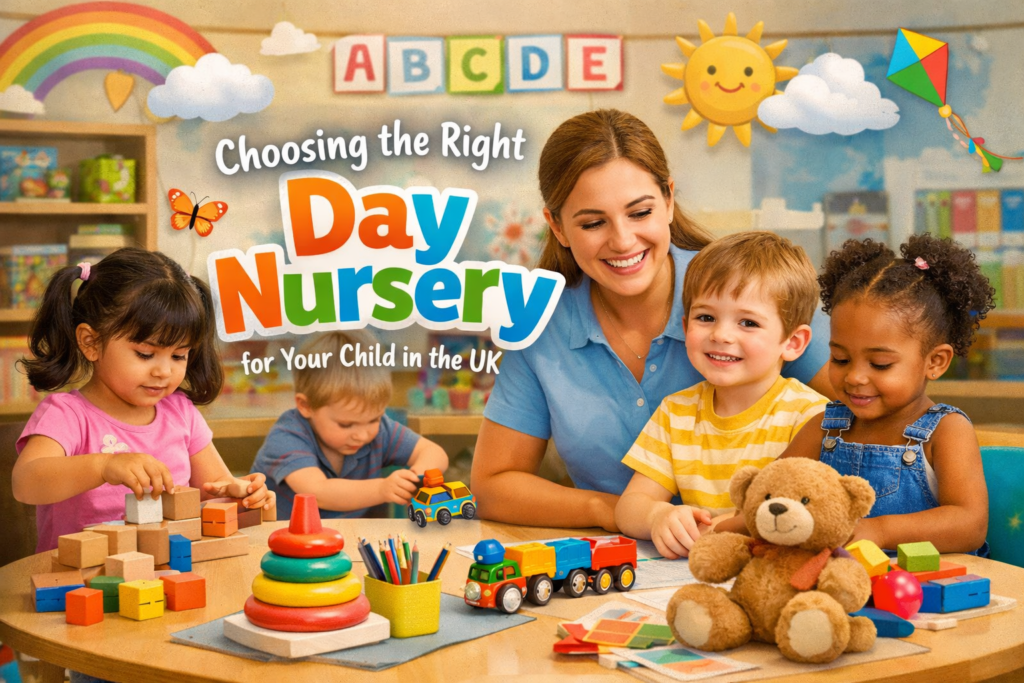
Finding the perfect day nursery for your child is one of the biggest decisions you will make as a parent This choice shapes their early growth and happiness A day nursery for your child provides a safe space for them to learn play and make friends. In the UK early years education is very high quality This guide will help you understand what to look for in a local setting We will cover legal rules staff quality and daily routines. You want a place that feels like a second home By the end of this article you will feel ready to pick the best day nursery for your child with total confidence.
1. Defining the Modern Day Nursery
A day nursery for your child is a regulated setting for kids aged zero to five years These centers offer full-day care while parents work or study They differ from childminders because they have more staff and larger groups of children Most nurseries follow the Early Years Foundation Stage rules set by the government This ensures your child learns through play in a structured way.
Many parents choose a day nursery for your child to help them get ready for primary school These settings focus on social skills and basic literacy You can also get government help with costs Eligible parents receive 15 or 30 hours of free childcare per week This funding makes high-quality care more accessible for families across the UK.
2. Setting Your Initial Priorities
Before you visit any day nursery for your child you must list your needs Think about the location first Is it close to your home or your office? Long commutes can be very stressful for a toddler You should also check the opening hours Some nurseries close early while others offer extended care until late evening.
Your child’s personality is the most important factor Some children love big busy rooms with lots of noise Other children prefer quiet spaces and small groups Write a “must-have” list before you start your search This list should include things like outdoor space or specific organic meal plans Having a clear plan helps you stay focused when you tour different buildings.
3. Legal Requirements and Standards
Every day nursery for your child must be registered with Ofsted in England Ofsted inspects these settings to make sure they are safe and educational You should always read the latest inspection report online These reports give the nursery a grade like “Outstanding” or “Good.” It is a major red flag if a nursery is not registered.
The law also sets strict staff to child ratios For babies under two there must be one adult for every three children For children aged three and over the ratio is usually one adult to eight or thirteen children These rules keep your child safe and ensure they get enough attention. Places like Monkey Puzzle Day Nurseries are known for following these safety standards very closely.
| Age Group | Staff to Child Ratio | Key Focus Area |
| Under 2 years | 1:3 | Emotional bonding and physical care |
| 2 to 3 years | 1:4 or 1:5 | Language growth and social play |
| 3 to 5 years | 1:8 or 1:13 | School readiness and independence |
4. Location and Daily Logistics
The best day nursery for your child should be easy to reach think about the parking situation for drop offs If you use public transport check if the nursery is near a bus stop or train station A nursery that is hard to get to will make your mornings feel rushed and unhappy .
Safety around the entrance is also vital look for secure gates and clear paths The nursery hours must match your work contract perfectly Ask about late fees if you are delayed by traffic Small details like these can change your daily stress levels significantly a Good location saves you time and keeps your child calm .
5. First Impressions During a Visits
When you walk into a day nursery for your child trust your gut feeling The environment should feel warm and welcoming It should not feel like a cold hospital or a messy ware house Look at the walls Are there displays of children’s artwork ? This shows that the staff value the children’s creativity and hard work .
Check the security at the front door There should be a strict sign in system for all visitors the staff should be busy talking to children not just standing around If the children look happy and engaged it is a good sign If the room is silent or the kids look bored you might want to look elsewhere.
6. Safety and Cleanliness Standards
Safety is the most important part of any day nursery for your child Look at the nappy changing areas and the toilets They should be scrubbed clean and smell fresh The kitchen must follow strict hygiene rules to prevent sickness Ask the manager how they handle outbreaks of common childhood illnesses like colds or flu.
The outdoor play area must be fenced and secure There should be no sharp edges or broken toys Ask to see their accident reporting book Every bump or scratch must be recorded and shared with parents A professional nursery is always open about how they keep kids safe from harm.
” Safety isn’t optional it’s essential for a child to feel free enough to learn and explore their world . “
7. The Role of Professional Staff
The teachers are the heart of a day nursery for your child. Ask about their qualifications Many staff members should have a Level 3 childcare diploma or higher It is also important to ask about staff turnover If the teachers leave every few months your child will struggle to form a bond with them.
A great nursery uses a “Key Person” system This means one specific teacher is responsible for your child’s well-being They will know your child’s favorite toy and their sleep routine Watch how the staff talk to the kids They should get down on the floor at the child’s eye level This shows they respect and care for the little ones.
8. Understanding the Daily Routine
A typical day at a day nursery for your child should be balanced There should be time for loud play and time for quiet rest Most nurseries have a set schedule for snacks lunch and naps This structure helps children feel secure because they know what is happening next.
However the routine should not be too rigid Children need time for “child-led” play This is when they choose what to do based on their own interests A mix of teacher-led activities and free play is the best way to learn Physical activity should be part of every single day to keep them healthy.
9. Curriculum and Early Learning
The day nursery for your child follows the EYFS framework This covers seven areas of learning including math and communication You should see evidence of this in the toys and activities provided. For example, sand and water play help with early science and math concepts Storytime helps with vocabulary and listening skills.
Ask the staff how they track your child’s progress Most nurseries use digital apps to share photos and notes with parents You should receive regular updates on what your child is learning If a child is struggling the nursery should have a plan to help them catch up Learning should always feel like fun not like a chore .
10. The Importance of Outdoor Play
Playing outside is vital for a day nursery for your child . Fresh air helps children stay healthy and burn off energy A good nursery has a garden with different textures like grass sand and wood They should go outside in all types of weather using coats and boots when it rains .
Natural play environments teach children about risk and reward Climbing a small wooden frame builds confidence and motor skills. Look for a nursery that treats the outdoors as a “second classroom .” It should be filled with opportunities to dig run and explore the natural world .
| Outdoor Feature | Benefit for the Child |
| Sand and Water | Sensory play and basic physics |
| Climbing Frames | Balance and gross motor skills |
| Garden Patches | Learning about nature and growth |
11. Nutrition and Healthy Meals
Food is a big part of the day at a day nursery for your child Ask to see a weekly menu The meals should be balanced with plenty of vegetables and protein They should avoid too much salt and sugar It is also important to see how they handle food allergies and special diets.
The social side of eating is also key Children should sit together at tables to eat their lunch This teaches them good manners and how to use cutlery Staff should sit with them to encourage conversation Good eating habits formed at a young age will last a lifetime.
12. Parental Communication Systems
You need to know what happens at the day nursery for your child while you are away Communication builds trust between you and the teachers. Ask if they use a daily diary or a mobile app These tools show you when your child ate slept and what they played with that day.
Formal meetings should happen at least twice a year This is a time to discuss your child’s development in detail You should always feel welcome to ask questions or raise concerns. A transparent nursery is a high-quality nursery They should treat parents as partners in the child’s education journey.
13. Costs and Government Funding
Childcare can be expensive so check the fees for a day nursery for your child early on Most nurseries charge a daily or monthly rate Ask if nappies wipes and meals are included in the price Some places have hidden fees for “consumables” that can add up quickly.
Make sure you understand the government funding rules In the UK many three-year-olds get 30 hours of free care Some two year olds also qualify if the parents receive certain benefits Always ask for a clear breakdown of the bill You have a legl right to see transparent pricing before you sign any contract.
14. Checking Reputation and Reviews
Do not just take the word of the day nursery for your child manager Do your own research online Look at Google reviews and local Facebook groups Parents are usually very honest about their experiences If several people complain about the same issue it is a bad sign.
You can also ask the nursery for references They should be able to put you in touch with a current parent Speaking to another mother or father can give you the ” real ” story A nursery with a strong reputation in the community is usually a safe and happy choice.
15. Red Flags to Avoid
While searching for a day nursery for your child watch for warning signs. An unclean kitchen or broken toys are big red flags If the staff seem stressed or ignore the children leave immediately Evasive answers to your questions about safety or fees are also a major concern.
High staff turnover is another bad sign If the faces in the room change every month your child will not feel settled Trust your eyes and your ears during the tour If something feels wrong it probably is Never ignore your intuition when it comes to your child’s safety.
| Red Flag | Why It Matters |
| Unhappy Staff | Leads to poor care and low energy |
| Dirty Facilities | Increases the risk of illness |
| No Ofsted Certificate | Means they are not legally regulated |
16. Making Your Final Decision
After visiting several places it is time to choose the day nursery for your child. Compare your notes and look at your “must-have” list. Sometimes two nurseries are both very good. In this case choose the one where the staff seemed the most kind and attentive.
Trust that you have done the hard work. You have checked the reports and seen the rooms. Your choice will help your child grow into a confident and happy individual. Once you decide call the nursery quickly to secure your spot as popular places fill up fast.
17. The Settling In Period
Starting at a day nursery for your child is a big change for everyone Most nurseries offer settling in sessions These are short visits where you stay with your child for an hour or two Slowly you leave them for longer periods until they are comfortable staying alone .
It is normal for children to cry during the first few drop offs The staff are trained to comfort them and distract them with fun toys Stay positive and keep your goodbyes short and sweet Within a few weeks your child will likely be running into the nursery with a big smile .
18. Ongoing Support and Growth
Your journey with the day nursery for your child does not end on the first day Keep talking to the staff every morning and evening Share what is happening at home like a new baby or a bad night’s sleep This helps the teachers support your child better.
As your child grows their needs will change a good nursery will move them to different rooms based on their age and stage of development This keeps them challenged and prevents them from getting bored Watching your child thrive in a professional setting is a very rewarding experience.
Conclusion
Choosing a day nursery for your child is a journey that requires time and careful thought You must check the legal papers meet the staff and look at the play areas A safe and happy environment is the best gift you can give your little one Remember to trust your instincts and ask plenty of questions By following this guide you will find a wonderful day nursery for your child This will give them the best possible start in their early life and education.
FAQs
1. How do I check if a nursery is good ?
You should read the latest ofsted report and visit the nursery in person Look for happy children and qualified staff who interact well with the kids.
2. What is the best age to start nursery ?
There is no ” perfect ” age, but many children start between six months and two years It depends on your work schedule and your child’s readiness.
3. Is government funding available for all nurseries ?
Most registered nurseries accept government funding for 15 or 30 hours However, you should always confirm this with the manager before signing up.
4. What happens if my child doesn’t settle in ?
Nurseries have transition plans to help They will work with you to find a routine that makes your child feel safe and happy.
5. Are meals included in the nursery fees ?
Many nurseries include meals and snacks, but some charge extra Always ask for a price list that shows what is included in the daily rate.